In today’s connected world, every device that communicates through the internet needs a unique identity. This identity is usually represented by an IP address, a numerical label that helps networks recognize and exchange information with different devices. One such address that people may search for is 3.6.67.144.
At first glance, a sequence of numbers separated by dots may look confusing or meaningless. However, an IP address carries important information about digital communication, network routing, and online connectivity. Understanding how addresses like 3.6.67.144 function can help users, website owners, and network administrators better understand internet infrastructure.
This guide explains the meaning of this address, how IP addresses work, possible applications, security considerations, and what information can realistically be discovered from an IP number.
What Is 3.6.67.144?
The address 3.6.67.144 is an IPv4 address. IPv4, or Internet Protocol version 4, is one of the most widely used addressing systems on the internet. It consists of four numerical sections separated by periods, with each section ranging from 0 to 255.
An IP address works similarly to a postal address. Just as a delivery service needs a destination address to send a package, internet networks need IP addresses to deliver digital data to the correct device or server.
However, an IP address does not directly reveal personal information such as a person’s name, exact home location, or private details. Instead, it generally provides technical information related to network ownership, internet service providers, or server locations.
How IPv4 Addresses Like 3.6.67.144 Work
Every time you visit a website, send an email, stream a video, or access an online service, data travels between multiple network points. IP addresses allow these connections to happen correctly.
The process usually involves:
- Your device connecting to a network
- Your network receiving an IP address
- Data packets being assigned destination information
- Routers directing traffic between networks
- The receiving server responding back to your device
Without IP addressing, billions of internet-connected devices would not be able to communicate efficiently.
Think of the internet as a massive transportation system. IP addresses act like digital road signs that guide information to the correct destination.
Public and Private IP Addresses: Understanding the Difference
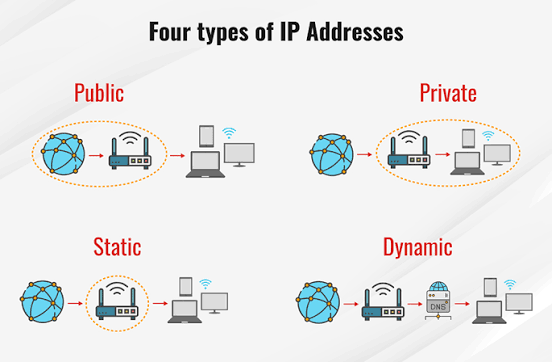
Not every IP address is visible on the public internet. Networks commonly use two major categories:
| Feature | Public IP Address | Private IP Address |
|---|---|---|
| Accessibility | Visible on the internet | Used inside local networks |
| Assigned By | Internet Service Provider or hosting provider | Router or network administrator |
| Main Purpose | Internet communication | Device communication within a network |
| Example Usage | Websites, servers, online services | Computers, printers, smart devices |
An address like 3.6.67.144 belongs to the public IPv4 address space, meaning it can potentially be associated with an internet-facing network or service.
Why People Search for Specific IP Addresses
There are several reasons someone may look up an address such as 3.6.67.144. Some common reasons include:
Network Troubleshooting
IT professionals often investigate IP addresses when diagnosing connection problems. Identifying the source network can help determine whether an issue comes from a local device, internet provider, or external server.
Security Monitoring
Cybersecurity teams analyze suspicious traffic patterns by examining IP addresses connected to unusual activity. An IP lookup can provide clues about the network behind certain requests.
Website and Server Management
Website administrators may monitor incoming visitors, server requests, and unusual access attempts through IP information.
What Information Can Be Found From 3.6.67.144?
An IP lookup can reveal general technical details, including:
- Internet service provider information
- Approximate geographic region
- Network organization
- IP ownership details
- Autonomous System Number (ASN)
However, many people misunderstand IP tracking. An IP address does not work like a GPS tracker. It cannot usually identify an individual person or provide an exact physical address.
The accuracy of location information depends on databases, network configurations, and service providers.
Real-World Example: Identifying Unexpected Network Activity
Imagine a small business owner notices unusual login attempts on their company website. The security dashboard shows repeated requests coming from an unfamiliar IP address.
The administrator investigates the address using network analysis tools and discovers that the activity is connected to a particular hosting network. Instead of immediately assuming malicious behavior, they review additional information such as access patterns, timestamps, and user activity.
This approach helps separate legitimate traffic from potential threats while avoiding incorrect conclusions based only on an IP address.
My Experience With IP Address Analysis
I once helped troubleshoot a website connectivity issue where the problem appeared random at first. After reviewing network details and checking IP-related information, we discovered the issue was caused by a routing configuration problem rather than a website failure.
That experience showed me why understanding basic IP concepts can save time when dealing with online connectivity problems.
Security Considerations When Dealing With IP Addresses
Although IP addresses are essential for internet communication, they can also become part of cybersecurity investigations.
Common concerns include:
Suspicious Login Attempts
Repeated access attempts from unfamiliar IP addresses may indicate automated scanning or unauthorized attempts.
Network Abuse
Some IP addresses may become associated with spam, bots, or malicious traffic because of previous activities from users sharing the same network.
Privacy Awareness
Users should understand that online privacy depends on more than hiding an IP address. Browser settings, account security, passwords, and safe browsing habits also play important roles.
How Businesses Use IP Information
Companies use IP-related data for many legitimate purposes, such as:
- Preventing fraud
- Improving website security
- Understanding visitor patterns
- Managing access permissions
- Blocking harmful traffic
For example, an online store may analyze visitor locations to improve regional marketing strategies or detect unusual purchasing behavior.
Common Misconceptions About IP Addresses
Many people believe an IP address reveals everything about an internet user. This is not accurate.
An IP address generally provides network-level information, not complete personal identification. Several users may share the same public IP through network address translation (NAT), especially in homes, offices, and mobile networks.
Similarly, IP-based location tools provide estimates rather than guaranteed physical locations.
Why Learning About IP Addresses Matters
Understanding addresses like 3.6.67.144 helps users become more informed about digital communication. Whether managing a website, protecting an online account, or troubleshooting internet issues, basic networking knowledge provides valuable advantages.
A better understanding of IP technology allows people to make smarter decisions about security, privacy, and online infrastructure.
Also Read: 10.24.1.39.113 Explained: IP Address Guide & Common Uses
Conclusion
The IP address 3.6.67.144 represents a small but important part of the larger internet ecosystem. Like every IPv4 address, it helps devices and networks communicate by providing a digital destination point for information exchange.
While an IP address can reveal useful technical details about a network, it does not expose complete personal information. Understanding its purpose, limitations, and security relevance helps users navigate the online world with greater awareness.
Whether you are a beginner learning networking concepts or a professional managing digital systems, knowing how IP addresses function is an essential part of modern internet knowledge.
FAQs
1. Is 3.6.67.144 a private or public IP address?
3.6.67.144 is a public IPv4 address because it does not fall within the reserved private IP ranges used for internal networks.
2. Can an IP address reveal someone’s exact location?
No. An IP address usually provides an approximate region or network information, not an exact home address.
3. How are IP addresses assigned?
IP addresses are assigned by internet service providers, hosting companies, and network administrators depending on the type of connection.
4. Can someone hack a device using only an IP address?
An IP address alone is generally not enough to hack a device. Security depends on software vulnerabilities, passwords, firewall settings, and other factors.
5. Why do websites collect IP addresses?
Websites may collect IP information for security monitoring, analytics, fraud prevention, and improving user experiences.
6. Is IPv4 still commonly used?
Yes. Although IPv6 is growing, IPv4 remains widely used across the internet because of its long-standing infrastructure.