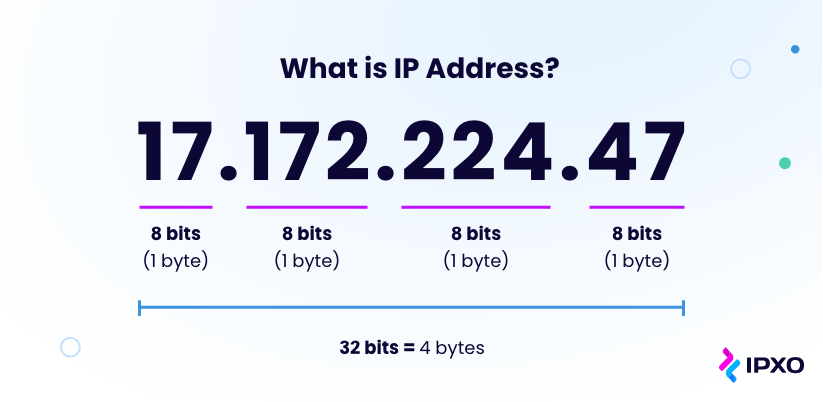
When you come across an IP address like 45.248.163.181, your first thought might be that it’s just a random string of numbers. However, every public IP address plays a role in internet communication. Whether you’re a website owner, IT professional, cybersecurity enthusiast, or simply curious, understanding what an address like this represents can help you better manage networks, troubleshoot issues, and recognize potential security concerns.
Instead of viewing it as a mysterious sequence, think of it as a digital location that helps computers exchange information across the internet. In this guide, we’ll explore how public IP addresses function, what this particular address may represent, and the safest ways to investigate it.
Understanding 45.248.163.181
The address 45.248.163.181 is formatted as an IPv4 public IP address. Public IP addresses are assigned to internet-connected devices or servers by Internet Service Providers (ISPs) or cloud hosting companies.
Unlike private addresses such as 192.168.x.x or 10.x.x.x, public addresses are reachable from the internet, allowing websites, applications, email servers, APIs, and many online services to communicate with users worldwide.
It’s important to remember that an IP address alone doesn’t reveal the purpose of the device using it. The same address could host:
- A website
- A cloud server
- A VPN endpoint
- A business application
- A gaming service
- An email server
- A content delivery node
Its role depends entirely on how the owner has configured it.
Why Public IP Addresses Matter
Every online interaction begins with an IP address. Whenever you browse a website or send information online, devices rely on IP addresses to find one another.
Public IP addresses make it possible for:
- Websites to serve visitors
- Email systems to exchange messages
- Remote employees to access company resources
- Cloud applications to function
- Video streaming platforms to deliver content
- Online games to connect players
Without them, internet communication would simply not work.
Common Reasons You May See This IP
There are several situations where someone might encounter 45.248.163.181.
Website Analytics
Server logs frequently display visitor or server IP addresses.
Firewall Logs
Security software records incoming and outgoing connections for monitoring purposes.
Network Troubleshooting
Administrators often investigate IP addresses when diagnosing connection problems.
Cybersecurity Monitoring
Security teams regularly analyze unknown addresses to identify suspicious activity.
API Connections
Developers sometimes whitelist trusted IP addresses for secure communication.
Public vs Private IP Addresses
Understanding the distinction between public and private addresses helps avoid confusion.
| Feature | Public IP | Private IP |
|---|---|---|
| Accessible from Internet | Yes | No |
| Assigned By | ISP or Hosting Provider | Local Router |
| Used for Websites | Yes | No |
| Globally Unique | Yes | No |
| Security Exposure | Higher | Lower |
This comparison shows why public addresses require stronger monitoring and protection.
How to Investigate an Unknown IP Address
Finding an unfamiliar address doesn’t necessarily indicate malicious activity. A systematic investigation usually provides better answers.
Some useful checks include:
Reverse DNS Lookup
A reverse lookup may reveal whether the address belongs to a recognizable domain or hosting provider.
WHOIS Information
Ownership records often identify the organization responsible for managing the address block.
Geolocation
Approximate geographic information may indicate the country or region where the IP is registered.
Blacklist Status
Security databases can reveal whether an address has previously been associated with spam or malicious activity.
Open Services
Administrators sometimes scan their own infrastructure to verify which services are intentionally exposed.
Security Considerations
Since public IP addresses are accessible online, they naturally receive constant internet traffic.
Some common security concerns include:
- Unauthorized login attempts
- Automated bots
- Port scanning
- Brute-force attacks
- Distributed denial-of-service (DDoS) traffic
- Malware communication attempts
Fortunately, seeing traffic from a public address doesn’t automatically indicate danger. Most internet-connected systems experience routine background scanning every day.
Strong security practices remain the best defense regardless of which addresses appear in logs.
Best Practices for Network Protection
Whether managing a personal server or an enterprise network, these recommendations improve overall security.
- Keep operating systems updated.
- Use strong authentication.
- Enable multi-factor authentication whenever possible.
- Restrict unnecessary open ports.
- Configure firewalls carefully.
- Monitor unusual login attempts.
- Review server logs regularly.
- Maintain reliable backups.
I once reviewed server logs after noticing repeated connection attempts from unfamiliar public addresses, and the experience reinforced how valuable continuous monitoring can be for detecting unusual patterns before they become serious problems.
A Practical Business Example
Imagine a growing online business notices increased traffic from 45.248.163.181 in its web server logs. Rather than immediately blocking the address, the IT administrator performs several checks.
The investigation shows the traffic originates from a legitimate cloud hosting provider where one of the company’s external monitoring services is running. Instead of treating the connection as a threat, the administrator adds it to an approved monitoring list while continuing to watch for unusual behavior.
This measured approach prevents unnecessary service interruptions while maintaining strong security practices.
Misconceptions About IP Addresses
Many people assume an IP address can instantly identify a person. In reality, that’s rarely true.
An IP address generally identifies an internet connection rather than an individual. Modern internet infrastructure often includes:
- Shared hosting
- Cloud servers
- Dynamic IP assignments
- Carrier-grade NAT
- Load balancing
- Proxy services
Because of these technologies, multiple users or services may appear behind similar network resources.
Can an IP Address Change?
Yes. Many residential internet customers receive dynamic IP addresses, which may change periodically.
Businesses, cloud providers, and organizations often purchase static IP addresses, allowing services to remain consistently reachable.
Whether 45.248.163.181 is static or dynamic depends entirely on the network configuration of its owner.
When Should You Be Concerned?
Most encounters with unfamiliar IP addresses are completely normal.
However, additional investigation may be appropriate if you notice:
- Thousands of failed login attempts
- Unexpected traffic spikes
- Suspicious outbound connections
- Unauthorized account access
- Repeated requests targeting sensitive resources
- Unusual firewall alerts
Context is always more important than the address itself.
Also Read: 172.16.0.250.8090 Explained: Login, Access & Fix Guide
Conclusion
45.248.163.181 is simply one example of a public IPv4 address that helps devices communicate across the internet. While an address alone cannot reveal its exact purpose, understanding how public IPs work allows you to interpret logs more accurately, investigate unusual activity responsibly, and strengthen your network security.
Whether you’re managing a business website, operating cloud infrastructure, or learning about networking, focusing on traffic patterns, ownership information, and sound security practices provides far more value than making assumptions based solely on an IP address. A thoughtful, evidence-based approach is the most effective way to maintain both performance and security in today’s connected world.
FAQs
Is 45.248.163.181 a public IP address?
Yes. It follows the IPv4 public addressing format and is designed for internet communication rather than private local networks.
Can I identify the owner of this IP?
You can often determine the organization or hosting provider responsible for the address through public registration records, but not necessarily the individual user.
Is this IP address dangerous?
Not by itself. An IP address is neither safe nor malicious on its own. Its behavior and activity determine whether further investigation is needed.
Can I block this IP?
Yes, if your security analysis indicates suspicious or unwanted activity. Firewalls and server security tools can restrict traffic from specific public addresses.
Why does this address appear in my server logs?
It may represent a visitor, automated crawler, monitoring service, API client, cloud server, or another internet-connected system communicating with your server.
Can a public IP address change over time?
Yes. Dynamic addresses can change depending on ISP policies, while static addresses typically remain the same for long periods.