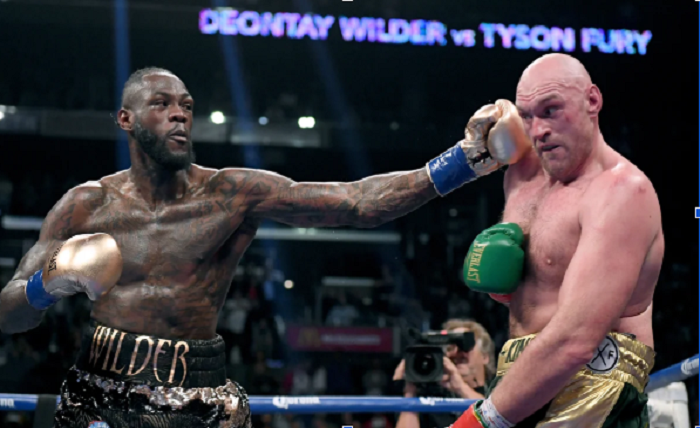
In elite boxing under the World Boxing Council and parallel sanctioning bodies, rematches often take place 6–12 months after the first bout, but the tactical shift between fight 1 and fight 2 can be so drastic that it changes the entire narrative across 12 rounds and 36 minutes of action. A first fight may be decided by 1–2 rounds on judges’ cards like 115–113, yet the rematch can produce a clear 8–4 round swing in the opposite direction. That is not adjustment. When rematches change the entire narrative of a rivalry, accessing events through 1xBet login allows entry to upcoming fights quickly.
A clear case is Tyson Fury vs Deontay Wilder, where their 2018 fight ended in a split draw after 12 rounds, with Fury controlling movement but suffering 2 knockdowns, including one in round 12. In the 2020 rematch, Fury changed approach, added weight up to around 273 lbs, and stopped Wilder in round 7 after winning at least 5 of the first 6 rounds. That is a swing of more than 5 rounds between fights. And it flipped perception entirely. The first fight became context. As fighters adjust tactics between bouts, login 1xBet provides access to fight schedules and betting markets.
Why rematches create completely different tactical outcomes
Even a 5% increase in accuracy, for example from 30% to 35%, can mean landing 15–20 more clean shots across a fight. That accumulates damage. And changes control. The structural differences between first fights and rematches include the following:
- 12 rounds per fight, 3 minutes each
- Preparation cycles of 8–10 weeks
- Punch output ranges of 250–500 punches
- Accuracy shifts from 30% to 35%+
- Score swings of 4–6 rounds between fights
- Rematch timing within 6–12 months
This shows that rematches are not repetitions but recalculations, where fighters remove mistakes and exploit patterns identified in the first 36 minutes of combat. Over time, this leads to clearer outcomes. And stronger narratives. The final perception of a rivalry is often built not on the first fight, but on how adjustments manifest in the second, because that reveals which fighter adapts better under pressure. This is why trilogies often evolve across 24–36 rounds of combined action. And each phase adds context. At the highest level, boxing becomes a sport of iteration, where a single fight is incomplete without its sequel, and results are interpreted across multiple encounters. Rematches do not confirm results. They reinterpret them. And that defines elite competition